Vaccination, vigilant monitoring and prompt intervention reduce risk for everyone
August 28, 2026 • WestmountMag.ca
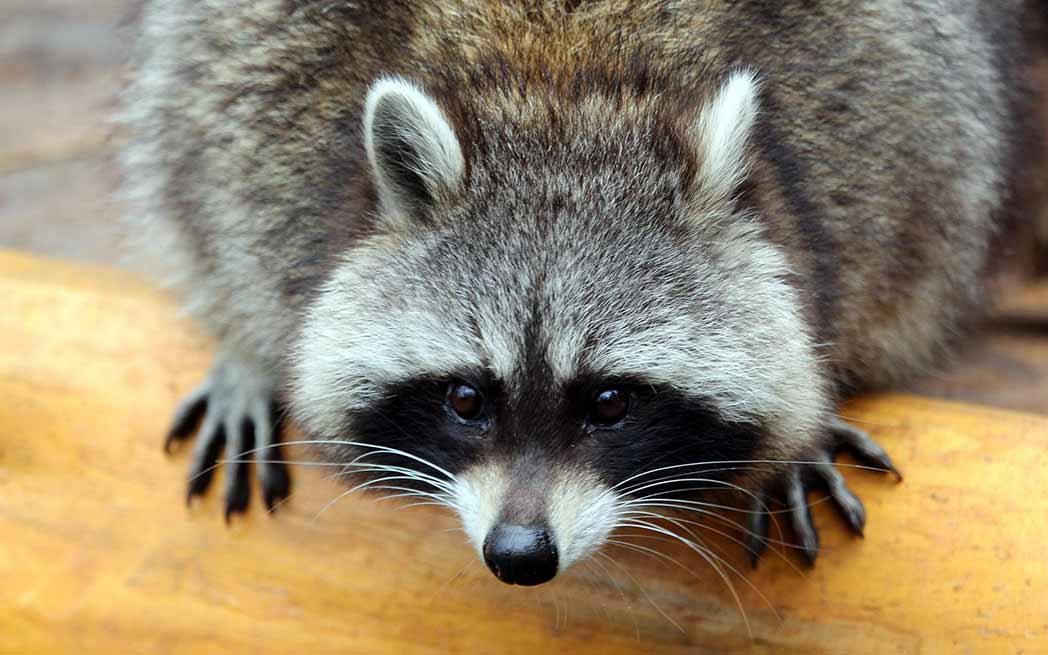
Raccoon rabies cases are rising rapidly in southern Quebec. Between January and July 2026, 126 cases had already been confirmed in raccoons and skunks. Two cats—one in Montérégie and the other in Estrie—were also infected, bringing the total to more than the number recorded for all of 2025.
The situation calls for vigilance, but not panic. Vaccinating pets, avoiding contact with wildlife, and responding quickly after a bite can greatly reduce the risks.
Once symptoms appear, rabies is almost always fatal. That is why prevention and immediate action after a potential exposure are essential.
Rabies is a viral disease caused by a virus in the Lyssavirus group. It can infect all mammals, including humans, dogs, and cats.
In the wild, raccoons, skunks, foxes, coyotes, and bats can transmit the virus. Transmission occurs mainly through a bite, when an infected animal’s saliva comes into contact with a wound. More rarely, it can occur if saliva comes into contact with a mucous membrane—the eyes, nose, or mouth—or with an existing cut.
Once it enters the body, the virus gradually travels along the nerves to the brain. The time before symptoms appear therefore varies according to the circumstances, including the location of the bite.
Once symptoms appear, rabies is almost always fatal. That is why prevention and immediate action after a potential exposure are essential.
Recognizing rabies signs in an animal
An infected animal does not necessarily behave aggressively. Rabies can take several forms.
The furious form may involve unusual aggression, disorientation, or heightened sensitivity to noise and light. The animal may bite, scratch, or attack people, other animals, or objects for no apparent reason. It may also develop a fever.
The paralytic form, meanwhile, causes progressive weakness, excessive salivation, difficulty swallowing and, eventually, paralysis that may interfere with breathing.
A diagnosis can be confirmed only through laboratory testing performed after the animal’s death, particularly using brain tissue. Avoid handling any wild animal that appears sick, injured, paralyzed, disoriented, or unusually tame.
Protecting your pets
The simplest measure is rabies vaccination. Make sure your dog’s or cat’s vaccination is up to date, even if the animal lives mainly indoors. A pet may escape, encounter wildlife in the yard, or be exposed while travelling.
A few everyday precautions are also helpful:
- Do not allow your dog or cat to approach a wild animal.
• - Keep pets supervised during walks, especially at dusk.
• - Do not try to feed, capture, or move a raccoon, skunk, fox, or bat that is behaving unusually.
• - Secure garbage bins, composters, and food sources that may attract wildlife near your home.
•
If you see a raccoon, skunk, or fox that appears ill or behaves suspiciously, report it to the appropriate authorities at 1-877-346-6763 or through the government form.
After a bite or contact
If you are bitten or scratched, or if you come into contact with the saliva of a potentially infected animal, immediately wash the wound thoroughly with soap and water. Then contact Info-Santé at 811 without delay, or consult a health professional.
If your cat or dog has been bitten, or returns from outside with an injury of unknown origin, clean the wound with soap and water. Then contact your veterinary team promptly; they will assess the situation and determine the necessary measures.
This is a reminder of the importance of simple steps: keep vaccinations up to date, limit contact with wildlife, and act quickly after an exposure. These precautions will protect not only your pets, but your whole family as well.
Feature image: Melanie – Pixabay