
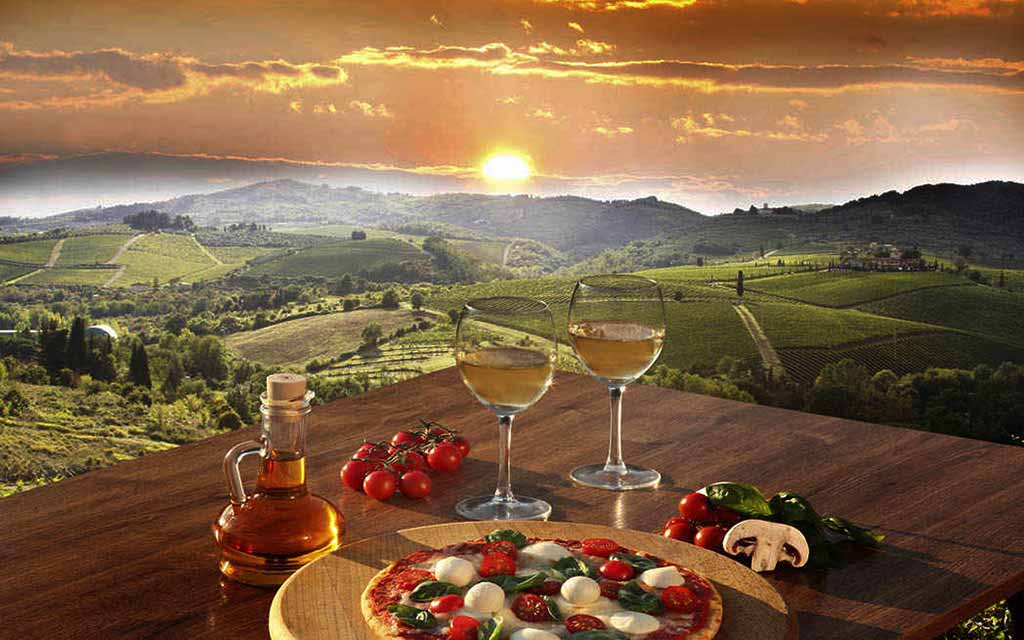
A celebrated culinary heritage valuing simplicity and local products
By Eva Stelzer
Edited November 24, 2025
Italy is world-renowned for its cooking, but each region brings different flavours and preparation styles to the table. Tuscan cuisine embodies the essence of Italian gastronomic tradition, where the simplicity of recipes and the quality of ingredients hold a central place. Inherited from the Etruscan era and passed down from generation to generation, this cuisine highlights the natural flavours of local products, favouring sober and authentic preparation methods.
The Tuscan table is beyond mere sustenance; it represents an art of living where the pleasure of sharing, conviviality, and honouring local produce are at its heart. Each plate, whether prepared in a simple farmhouse kitchen or at a lavish feast, reflects the profound connection Tuscans have with their culinary roots and the nourishing earth.
The hallmark of Tuscan cooking is its simple execution coupled with the use of premium local produce.
Known for its refined yet straightforward techniques and reliance on excellent local produce, Tuscan cuisine traces its roots to the enigmatic Etruscan civilization. While no recipes survive, archaeological discoveries reveal the importance of banquets and close-knit family gatherings. These age-old customs live on in Tuscany’s modern food culture, where communal dining and the joy of eating together remain paramount.
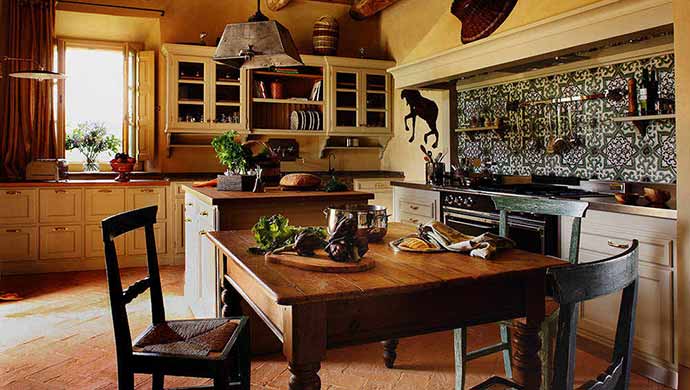
Tuscans swear by simplicity: great meals come from superb ingredients and the pleasure of dining with others, rather than complicated methods or modern cookware. Recipes usually involve just a few fresh ingredients. Eating together with spirited dialogue remains essential. Locals rely on fresh, organically grown produce from the farm.
‘Meat is usually stewed, roasted or grilled. Vegetables are cooked simply from an array of the best seasonal ones available.’
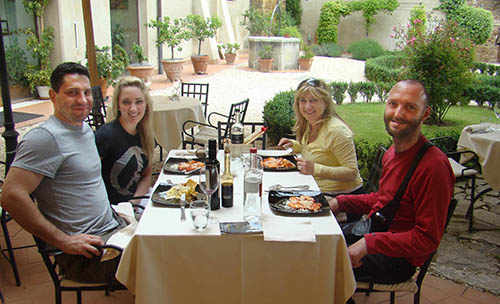
In the small village of Rocca d’Orcia, with less than 20 residents, a beloved restaurant fills up nightly with eager diners. Village folks and visitors alike come together to enjoy Marta’s cooking, rooted in the casalingue tradition, a heartfelt culinary heritage handed down by her mother. Experiencing Marta’s cuisine fully means embracing the key role of handmade fresh pasta in Tuscan cooking.
 Occasionally, guests can join Marta in the kitchen to handcraft fresh pasta. These handmade pastas are known for their one-of-a-kind texture, authentic wheat flavour, and outstanding ability to absorb sauces. This delivers a flavour experience considerably more intense and rewarding than factory-made pasta, which tends to be slicker and less porous, limiting the adherence of sauce. The artisanal method, using slow, low-temperature drying and bronze moulds, imparts a characteristic rough texture that maximizes sauce retention and reveals the full depth of high-quality wheat.
Marta’s sauce finds its whole meaning here. Made primarily with tomatoes but elevated by the unexpected yet delicious ground pine nuts, creating the perfect match for homemade pasta, this gentle, nourishing vegetarian sauce is lovingly served, encouraging a cozy, convivial meal around a simple table that captures the essence of Tuscan cooking: celebrating genuine flavours and the pleasure of sharing.
Renaissance Villa near Florence
Just outside Florence lies a Renaissance villa that offers a culinary journey steeped in refinement. Set amidst rolling hills, these historic estates—formerly residences of noble families such as the Médicis—are famous for their stunning frescoes, meticulously designed Italian gardens, and flourishing olive groves and vineyards. The villa provides a serene, graceful backdrop ideal for exploring Tuscan tradition, with cooking that is more elaborate and stylish than that found in local villages.
‘Handmade pastas are known for their one-of-a-kind texture, authentic wheat flavour, and outstanding ability to absorb sauces.’
Nestled in the heart of a heritage-rich estate and surrounded by lush gardens, this culinary experience offers far more than just a meal. It invites you to step into the vibrant daily life of Tuscan families, proud to share their history through every gesture. The journey begins with a sensory immersion through organic herb gardens, where visitors touch, smell, and even taste a palette of aromas that awaken the soul and prepare the senses for the feast ahead. As guests absorb these delicate scents, the villa’s culinary team busily prepares a lavish table, heralding a memorable feast.
Next comes the feast in its full splendour: spinach crepes mingle with an artichoke tart, while a meat stew braised in wine and fresh herbs is accompanied by crunchy potatoes, all topped off with a luscious tiramisu. Though this lavish spread may seem extravagant, it achieves balance through a hearty selection of local wines.
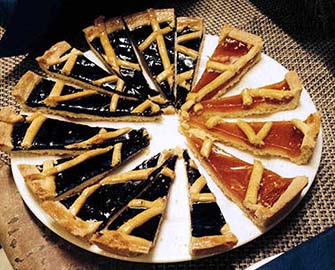
Tuscan cuisine also saves pleasures for breakfast, turning the first meal of the day into a cherished ritual. The local custom is to begin with something sweet — a smooth cappuccino alongside a slice of jam tart. This delightful ritual is savoured with great enthusiasm. In Florence, the Il Guelfo Bianco hotel perfects this experience by serving a crostata straight from the oven, a true treat for the palate.
‘Breakfast in Tuscany is a delicious affair, where the morning meal becomes a genuine pleasure for the palate.’
The sweet jam oozes in your mouth as the buttery crust crumbles onto your tongue. Manager Antonella Rocchini reveals that the kitchen often echoes with the chef’s cheerful humming and whistling during preparation. “Among all the goodies on our menu, the crostata steals the show,” she boasts with pride. After tasting multiple servings of this braided pastry work of art, you can’t help but agree.
It’s no surprise that Tuscan cuisine inspires a passionate embrace of fresh ingredients and straightforward recipes. Even in the smallest kitchens scattered across the region, culinary gems emerge without cutting-edge tools. These tight quarters unveil the resourcefulness and talent of Tuscan cooks, who transform flavours with minimal equipment, bearing witness to a sincere and cherished mastery. This simplicity, nourished by an age-old legacy and a profound love for the land, defines Tuscan cooking as a true art of living, where each meal celebrates excellence, sharing, and hospitality.
From a modest village kitchen to an opulent Renaissance villa, Tuscany presents a one-of-a-kind culinary journey, rich in flavour and authenticity, drawing gourmets and travellers worldwide. Coming soon, additional articles will expand our gourmet and cultural voyage through Tuscany, revealing deeper insights into its culinary heritage and the way of life it reflects.
Images courtesy of Eva Stelzer

[row cols_nr=”2″][col size=”2″]

[/col][col size=”10″]Eva Stelzer is a licensed travel consultant, former academic editor, and early childhood education professor. She is the founder and owner of Eviactive Travel, a company specializing in custom travel experiences, and she also helps organize dance cruises that combine travel, dance, and cultural activities. For more information, visit eviactive.com[/col][/row]