
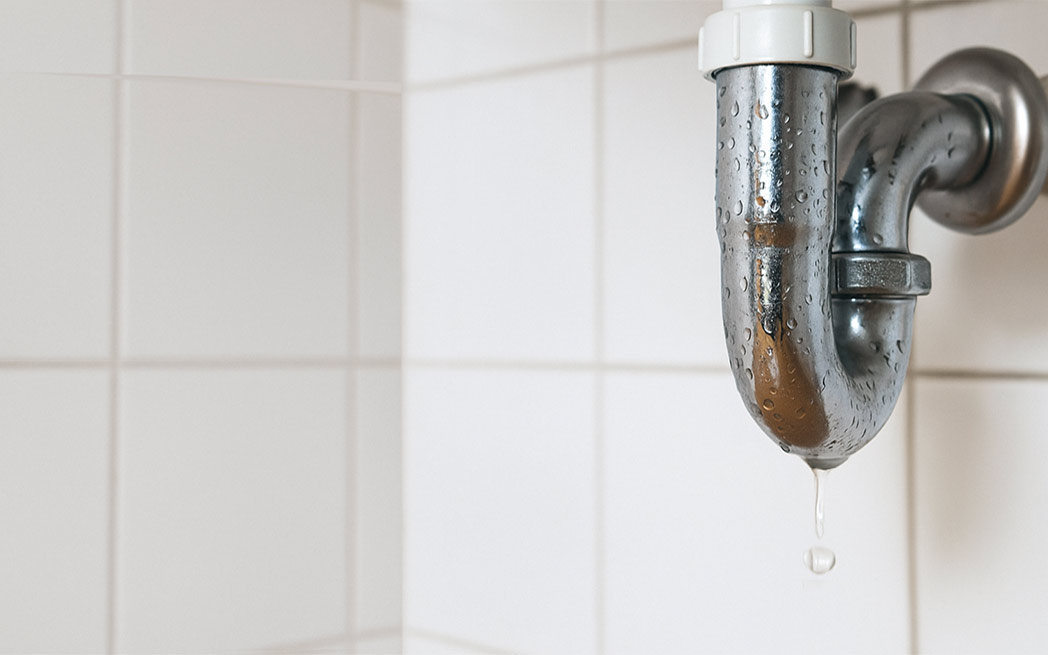
Avoid costly hidden
plumbing issues at home
How Canadian homeowners can prevent expensive water damage problems and save thousands
By Patrick Sullivan
December 15, 2025
For many Canadian homeowners, plumbing problems are often out of sight and out of mind until suddenly they’re not. What begins as a minor drip, slow drain, or faint sewer smell can quickly escalate into a major repair costing thousands of dollars. With aging housing stock across provinces like Quebec and Ontario, combined with harsh winters and rapid freeze–thaw cycles, homes are more vulnerable than ever to hidden plumbing failures.
While routine maintenance can prevent many disasters, most homeowners simply don’t recognize the warning signs early enough. Understanding the most common hidden issues and knowing how to address them before they escalate can save significant money, stress, and long-term damage.
Below are the plumbing problems Canadian homeowners face most often, why they stay undetected, and what you can do to protect your home.
1. Slow, Hidden Leaks Behind Walls and Ceilings
Small leaks are among the most expensive plumbing issues because they remain invisible until the damage becomes extensive. A tiny pinhole leak behind drywall can go unnoticed for weeks or months, silently soaking insulation, wooden studs, and subflooring. By the time stains appear on the ceiling or mould begins to develop, repairs often involve tearing out walls, replacing flooring, and restoring structural components.
Why does this happen:
- Aging copper pipes in older homes
- Loose connections in supply lines
- Over-tightened fittings are causing micro-fractures
- High water pressure is stressing older pipes
Prevention tips:
- Inspect for musty odours or unexplained humidity
- Look for bubbling paint or soft drywall
- Install water leak sensors in kitchens, bathrooms, and laundry rooms
- Schedule a professional plumbing inspection every 1–2 years
A $150 early detection repair is far better than a $5,000 wall restoration.
2. Sewer Line Issues Caused by Tree Root Intrusion
Tree roots are naturally drawn to moisture, and a small crack in a sewer line offers exactly that. Roots infiltrate the pipe, expanding and causing blockages that slow drains throughout the home. Left unchecked, this can lead to sewage backing up into basements, bathrooms, or laundry rooms.
Warning signs include:
- Gurgling toilets
- Slow drainage in multiple fixtures
- Sewage odours outside or in the basement
- Patches of extra-green lawn
Why is this expensive?
Repairing or replacing a main sewer line often requires excavation, costing anywhere from $5,000 to over $20,000, depending on yard conditions and pipe depth.
Prevention tips:
- Have a camera inspection performed every few years
- Avoid planting large trees near sewer lines
- Use root barriers or copper sulphate treatments (with professional guidance)
3. Failing Sump Pumps and Basement Flooding
Basements in many Canadian homes, especially in provinces with heavy rainfall or rapid snowmelt, rely on sump pumps to prevent flooding. A failing pump often gives subtle warnings before completely breaking down.
Signs of trouble:
- Strange noises or vibrations
- Infrequent cycling
- Excessive rust
- Clogged discharge lines
- A pump older than 7–10 years
Basement flooding can cause tens of thousands of dollars in damage, including ruined flooring, damaged drywall, mould remediation, and lost personal belongings. Many homeowners discover too late that their pumps were overdue for replacement or maintenance.
Prevention tips:
- Test sump pumps every season
- Install a battery backup for power outages
- Clear the discharge line before winter
- Have a professional evaluate pump capacity vs. home size
4. Hidden Toilet and Shower Leaks
A toilet that “ghost flushes” or runs intermittently may be wasting hundreds of litres of water per day. Likewise, shower valves hidden behind tile can drip inside walls without obvious signs.
Why this matters:
- These leaks increase water bills
- They cause long-term damage similar to hidden pipe leaks
- Mould growth becomes a health hazard
Prevention tips:
- Replace aging toilet seals and flappers
- Inspect caulking around tubs and showers
- Replace old shower valves before they fail
Even a slow drip can add $200–$300 per year to utility costs.
5. Outdated Polybutylene or Aging Plumbing Systems
Homes built between the 1970s and 1990s may contain polybutylene pipes, a material known to become brittle over time. Even copper pipes can corrode internally, especially in areas with mineral-heavy water. A whole-home repipe sounds intimidating, but replacing pipes proactively is far cheaper than addressing a catastrophic burst.
Signs you may need new piping:
- Frequent leaks
- Reduced water pressure
- Discolored water
- Visible corrosion on fittings
This is where working with a trusted Canadian plumbing company can make a dramatic difference. Proper inspections, pressure testing, and pipe evaluations help catch weaknesses before they lead to major failures.
6. Water Heater Problems You Can’t See Coming
Hot water tanks usually fail from the inside out. Sediment buildup, corrosion, and weakened heating elements reduce efficiency long before the tank ruptures.
Warning signs:
- Metallic-smelling water
- Rumbling or popping sounds
- Inconsistent hot water output
- Tank older than 10–12 years
A burst tank can flood your entire basement. Preventive replacement avoids thousands of dollars in damage.
7. Improperly Installed Appliances and Renovations
DIY installations of dishwashers, fridges with water lines, or renovated bathrooms can create hidden vulnerabilities:
- Undersized drain lines
- Poorly sealed joints
- Incorrect slope for drains
- Weak supply lines
Even a small mistake may lead to long-term water damage.
Prevention tips:
- Use braided steel lines instead of plastic
- Avoid over-tightening fittings
- Never conceal plumbing behind walls without pressure testing
Protecting Your Home Starts With Awareness
Canadian homes face unique plumbing challenges due to climate, aging infrastructure, and the natural wear of time. But most of the issues that cost homeowners thousands are preventable with awareness, periodic inspections, and timely upgrades.
Whether you live in a historic Montreal neighbourhood, a growing Ottawa suburb, or a newer community emerging across the country, understanding the signs of hidden plumbing problems is one of the simplest ways to protect your investment.
Being proactive rather than reactive is the key to avoiding the stress, damage, and expense that come with plumbing surprises.
Feature image: DALL·E Recent articles
Patrick Sullivan is a Canadian writer who focuses on home maintenance and the everyday issues that affect homeowners. He enjoys breaking down plumbing and property care topics into practical advice that helps people protect their homes and avoid costly repairs.



 January 6, 2026" />
 through digital innovation" />
 looks back at 2025" />
 online betting rules?" />
 a film by Andrés Livov" />
 for its 16th edition" />
 Passion fruit meringue verrine" />
 playful clownish escapade" />
 World rhythms on stage" />
 management mistakes" />
 Kensington Avenue" />
 Vegan Chili Chocolate Cake" />
 Bethune tunnel" />
 Left out of breath" />
 of business strategy" />
 damage before it starts" />


 into a professional career" />

 plumbing issues at home" />
 embraces bold cinema" />
 Red snapper papillote" />
 the Legend of Pepita" />