
Help scientists monitor
biodiversity across Canada
Nature Conservancy of Canada’s Big Backyard BioBlitz runs from July 28 to August 4
July 24, 2025
From balconies to backwoods, a cross-country nature challenge is calling on people to document the species they encounter and help scientists monitor biodiversity across the country. The Big Backyard BioBlitz, hosted by the Nature Conservancy of Canada (NCC), returns for its fifth year from July 28 to August 4, 2025.
Open to everyone, the Big Backyard BioBlitz is a week-long community science event that empowers people to identify and record wildlife and plant species wherever they are – whether in a backyard, city park, along hiking trails or at one of NCC’s nature reserves.
Using a smartphone, tablet or digital camera, participants can snap photos or make audio recordings and upload their findings to contribute to a growing database of biodiversity.
The Big Backyard BioBlitz is for all ages. To learn more and register, people can visit backyardbioblitz.ca

Image: Brent Calver
Participants can also download learning activities for younger naturalists from the website’s Kids’ Corner, such as scavenger hunt bingo, word searches, colouring pages and other activities for kids.
This year’s extended format is designed to provide participants with greater flexibility, including families who enjoy the long weekend and workplaces looking to connect with nature as a team. It’s an invitation to be part of something big, to pause, and explore the natural beauty around us – something we often overlook in the rush of daily life.
… over 193,000 observations have been submitted by participants, documenting more than 8,600 species, including many that are rare, at-risk or endangered… the data collected contributes to conservation planning, species protection and ecosystem monitoring.
“Whether you’re a nature newbie, a budding naturalist or a seasoned observer, your contributions matter,” says Pascal Côté, Director of Science and Stewardship. “Through this crowd-sourced effort, each observation helps researchers and conservationists better understand local biodiversity, detect invasive species and track changes over time, especially in the face of climate change.”
Since the event began, over 193,000 observations have been submitted by participants, documenting more than 8,600 species, including many that are rare, at-risk or endangered. Scientists can’t be everywhere, and the data collected contributes to conservation planning, species protection and ecosystem monitoring. These discoveries provide a snapshot of what is happening in communities and on the ground. It provides NCC with valuable information on the range and migration of species, as we support the creation of adequate habitats and resilient landscapes.
“It is inspiring to see people of all ages generously volunteer their time, and rediscover the wonders of the natural world, often right outside their door,” says Pascal Côté. “By taking part in the BioBlitz, you’re not only having fun and learning something new, but you’re actively contributing to a national effort to better understand and protect biodiversity.”
Participants are encouraged to share their sightings on social media, using the hashtag #NCCBioBlitz.
NCC’s 2025 Big Backyard Bioblitz is being supported by presenting sponsor Manulife.
Learn more at natureconservancy.ca
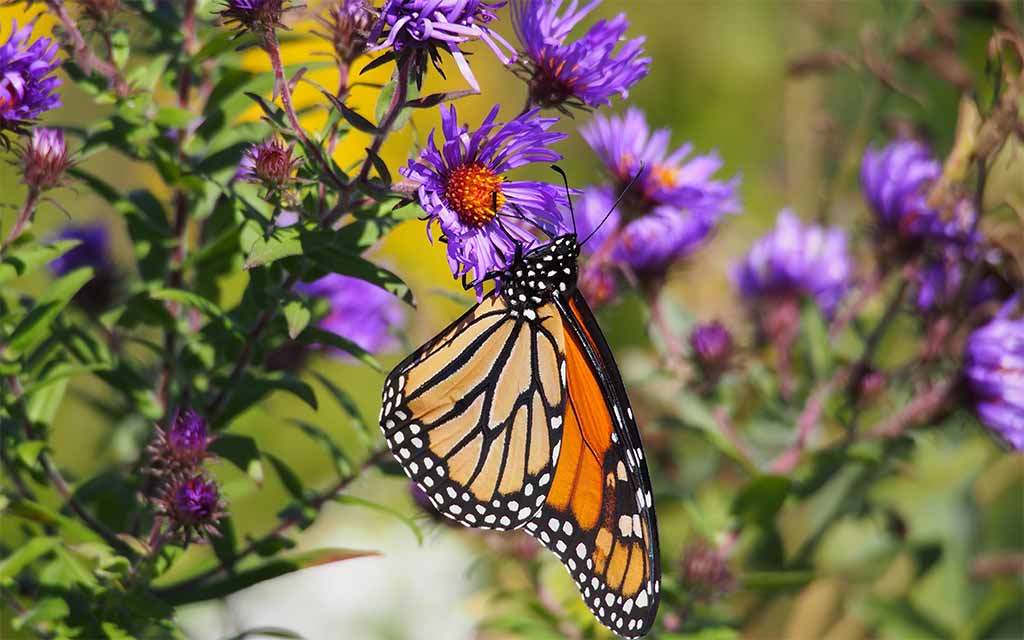
Feature image: Mary Garshore
Other articles about the Nature Conservancy
Other recent articles

The Nature Conservancy of Canada (NCC) is the country’s unifying force for nature. Through large-scale, permanent land conservation, NCC seeks solutions to the twin crises of rapid biodiversity loss and climate change. As a trusted partner, NCC works with people, communities, businesses and government to protect and care for our country’s most important natural areas. Since 1962, NCC has brought Canadians together to help conserve and restore more than 15 million hectares. In Quebec, NCC partners regularly with Conservation de la nature Québec, a non-profit organization that is distinct from NCC, to conserve Quebec’s richest natural areas. The two organizations have conserved more than 55,000 hectares of natural areas in the province. To learn more, visit natureconservancy.ca



 January 6, 2026" />
 through digital innovation" />
 looks back at 2025" />
 online betting rules?" />
 a film by Andrés Livov" />
 for its 16th edition" />
 Passion fruit meringue verrine" />
 playful clownish escapade" />
 World rhythms on stage" />
 management mistakes" />
 Kensington Avenue" />
 Vegan Chili Chocolate Cake" />
 Bethune tunnel" />
 Left out of breath" />
 of business strategy" />
 damage before it starts" />


 into a professional career" />

 plumbing issues at home" />
 embraces bold cinema" />
 Red snapper papillote" />
 the Legend of Pepita" />