Real Estate Talk:
Commercial lease
Now that the potential lessee has satisfied the offer criteria, it is time to finalize the lease
By Joseph Marovitch
February 3, 2026
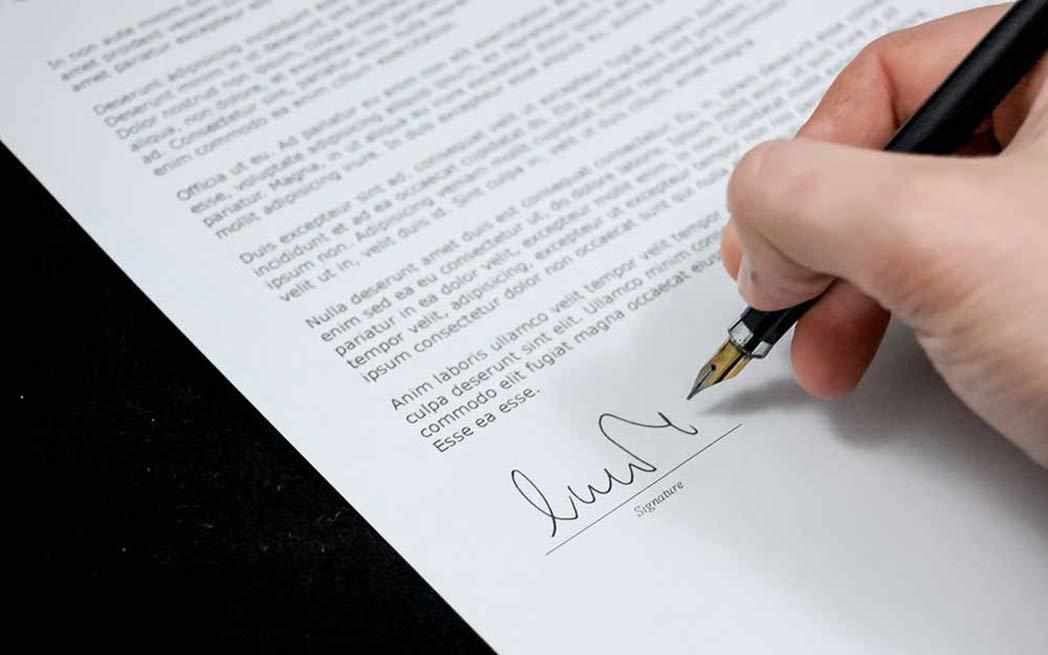
The lease is the document to be followed for the term, till the expiration date. It should be clear, concise and not open to interpretation. Each clause must be understood and adhered to. This is why the lease must be examined and accepted before a potential lessee signs it.
A client once called me for assistance. The client rented a space through my service for a three-year term, with an option to renew for an additional three years. We examined the lease together, and I explained all the clauses, what they meant, and the consequences, depending on the clause, should the client not adhere to the lease, before signing.
The client wanted to rent a larger space to expand the business. The client provided the lessor with written notice that the client would not be renewing the lease at the expiration date. The client then received a letter from the lessor stating that he was obligated to renew for another three years. I asked the client when he sent the notice of not renewing. When I was told the date the notice was submitted, I immediately realized the letter was submitted five weeks before expiration. I then sent the client a copy of the lease he had signed and indicated the clause stating that the lessee must submit a written notice at least six weeks before expiry, not five weeks. The client told me he was aware and did not think being a week late would be an issue.
The lease is the document to be followed for the term, till the expiration date. It should be clear, concise and not open to interpretation.
The three-year renewal period generated $133,652.12 in income for the lessee. Since the lessee did not want to go to the effort of finding a new tenant if he did not have to, and since he was fully within his rights to have the lease renewed at the increases agreed in the renewal, three years prior, he did not agree to the notice of non-renewal.
However, the lessor did agree to the resolution I presented. I found another client to sign a new lease for the space at a higher rent, for a five-year term, with a five-year renewal option. Lessors do not have to agree to allow a reassignment of the space, but this lessor did. The point is to note that the lease is a legally binding contract that is not open to interpretation.
In the last issue, we discussed the offer to lease. Now that the potential lessee has found the location and has satisfied the offer criteria, it is time to finalize the lease and commence the business.
For the most part, the terms of the lease have been discussed and agreed to. Now the lessor must prepare the lease and provide it to the potential lessee for examination and approval. I was once the leasing director for three shopping centers, and I now work on leasing and management for a 28-unit commercial property.
Shopping centers like the Bay, Eaton’s or Place Ville Marie have leases up to 200 pages long. Smaller centers, such as the one I work with now, have a 45-page lease. Usually, the first five or six pages of the lease cover the terms negotiated between the lessee and the lessor, such as the start and end dates, fixturing, renewal options, etc. The rest of the lease addresses the operation of the building, including operating expenses, taxes, fixturing, required insurances, opening and closing times, rules for subletting or reassignment, emergency procedures, guarantees, deadlines for paying rent, penalties for arrears, and terms for renewing or cancelling the lease.
The lessee receives the draft lease and has a few days to review it. If there are clauses that require revision, the lessor and lessee discuss the issues and either reach an agreement to revise the lease or decide not to.
If the lessee and lessor cannot agree on the requested changes, the lessee can cancel the offer and have their deposit refunded.
If the lessee and lessor agree to the changes, the lessee submits the security deposit (if any), signs the lease, and receives the keys to the space.
‘If there are clauses that require revision, the lessor and lessee discuss the issues and either reach an agreement to revise the lease or decide not to.’
The security deposit can be cash, collateral such as the lessee’s equipment in the space, or both. The security deposit is a measure taken in case the lessee is in arrears at the expiration of the lease, for potential damage to the space, to ensure the lessee does not disappear during the lease, and to ensure any terms of the lease are adhered to. The amount can be equal to a certain number of gross rent months or whatever is agreeable to both the lessor and lessee.
The information in these articles is a summary. Should you have questions, comments or wish to discuss further, please refer to the comments section at the bottom of the page or contact me directly. As well, to view past articles, click here.
Next week, we will look at the fixturing or preparation of the space before opening
State of the market
The real estate market now favours buyers, but not without risk. If one is going to enter the market to buy, sell, or invest, one should enter with eyes wide open. Which is why, even as a realtor, I am not going to rosy the picture to enhance the market. This article will present the market based on research and offer solutions for navigating it, whether it is good or not.
A recent article published on January 28, 2026, in the BNN Bloomberg Report states that now is a good time for investors and first-time home buyers to purchase property, as rates are holding steady at 2.25%. In the same article, the Governor of the Bank of Canada, Tiff Macklem, states that global uncertainty is a key factor indicating the risk our economy may encounter.
Currently, real estate is poised for a buyer’s market, driven by low interest rates, an aging population, and motivated sellers. These factors are motivating buyers and driving prices higher.
U.S. politics, resulting in global conflicts, and Quebec’s own issues with the possibility of the PQ winning the next election and pushing separation again, are motivating sellers, who are concerned about an economic downturn and declining property values. As stated in past articles, both good and bad markets present opportunities.
‘Given that most [Quebecers] would not vote for separation, the odds are high that values will drop and then rise should a referendum take place, thereby presenting an opportunity for buyers and investors to buy low and sell high.’
Now is a very good time to purchase. Future conditions may not be as favourable, depending on the U.S. and Quebec elections. As long as investors hold their properties till the tides turn. In 1980 and 1995, Quebec held referendums to separate from Canada. Both referendums were lost. However, during both referendums, property values dropped, and investors purchased. After the ‘NO’ vote prevailed, property values rose significantly due to the economic stability that ensued. In a recent Léger poll conducted this month of February, 62% of Quebecers would vote ‘no’ and 29% would vote ‘yes’.
Given that most would not vote for separation, the odds are high that values will drop and then rise should a referendum take place, thereby presenting an opportunity for buyers and investors to buy low and sell high. Based on recent news regarding the U.S. administration, ICE updates, and a president with an approval rating of 43% just before the mid-term election, this suggests that political and global issues may improve, providing further global market stability for supply chains, interest rates, and inflation. The result is that property purchased now may appreciate over the next year or two.
Have a great week.
Let’s not forget that people with cancer are vulnerable too!
You are invited to continue giving to the following organizations, as it’s now more important than ever to support cancer research! Click on the logos below to find out how:


Feature image: rawpixel.com – Pexels

Other articles by Joseph Marovitch




 February 27, 2026" />
 where water meets fire" />
 Michael Hawkes /99" />
 the world of a stray whale" />
 Selling process in 2026" />

 Emotional Intelligence" />
 Lemon blueberry sauce cake" />
 Kitchener Avenue" />
 Market process in 2026" />
 and resilient leadership" />
 to rules–based trade" />

 Crunchy Asian Slaw" />
 a new management role" />
 Un mar de músicas" />
 Retail fixturing" />
 and stilts, oh my!" />
 An East Van Memoir" />
 the passion of Argentina" />
 of speaking kindly" />
 Tupper Street" />
 Preserved Lemons" />