
Real Estate Talk:
Buying a country home
Thoughts and process when buying a second residence
By Joseph Marovitch
Updated April 9, 2026
In the past few months, there has been a surge of demand for second homes in Quebec. A few years back, demand jumped due to the pandemic, as many people wanted to get out of the city. This time there a several reasons to purchase a second residence such as gas is expensive, our neighbors are not that friendly anymore, travel by plane or car is expensive and there is no guarantee people can return due to a gas shortage, world wide conflict makes travel a little scary and finally, Canada is one of the friendliest and most beautiful location on the earth.
However, with increased demand and limited inventory, lakefront and mountaintop homes may be slightly more expensive, and competition in the spring may intensify. If one is going to purchase or rent a home in the country for this summer, one must act quickly.
If you have not had the chance to take a drive to the Laurentians or Townships lately, do so now, and take the country roads, not the highway. Our countryside in summer is so spectacular that it can be life-changing, offering a new perspective. The majestic green mountains and fragrances of the country, as well as crystal lakes that look like glass, melt away all the pressures of the city.
So many people don’t realize that the Earth isn’t covered in pavement, bricks, and mortar. If one lives in a city long enough and never strays beyond it, one can forget what it means to be human and how natural it is to stare at a bonfire and the stars, swim in clean lakes, view mountain vistas, and smell the morning mist.
When considering a country home to purchase, there are factors that come into play that would not otherwise, if you were purchasing in the city.
We were not meant to live in huge groups in big cities. The concept of cities is one of planetary consumption, overpopulation, and a lack of emotional connection with other humans. Is it not interesting that people observe that the more surrounded we are, the lonelier we can be? Yet, in small country towns and hamlets, everyone knows everyone intimately.
A second residence in the mountains and/or by the lake is a dream retreat for many. It is a sanctuary away from the hustle and bustle of city life. It is an escape from work and the daily grind, a change of scenery, a place to rest and gather one’s thoughts or think of nothing. It can also be fun and exciting. A mountain retreat can provide hiking trails, swimming, sailing, waterskiing, alpine skiing, bonfires at night and stars, lots of stars.
The process of purchasing a country home
When considering a “country home” to purchase, there are factors that come into play that would not otherwise be the case if you were purchasing in the city. Most country homes are not in or near a town; therefore, they must have their own well and septic tank. If the property you are searching for has waterfront access, many more factors come into play, such as whether the lake is navigable (motorboats allowed) or non-navigable. Does the lake have an entrance and an exit, or is it sedimentary (meaning not enough oxygen enters the lake to make it livable and drinkable)?
When searching for a country home, these are the questions that must be answered first:
- How far do you want to drive from the city?
- Do you want a lakefront?
- Proximity to your neighbours? Most buyers of second homes want privacy because it is their getaway home.
- If lakefront, do you want motorboats or no motorboats?
- Proximity to ski hills and towns?
- Number of bedrooms and bathrooms?
Once you have found that perfect home, the items to inspect and consider are:
- Condition of the house via a regular inspection
- When was the chimney last cleaned and inspected?
- Water test to ensure the well is clean and the water is potable (drinkable)
- Lake water test to ensure the lake water is bacteria-safe for swimming
- Ensure the septic tank is the right size for the number of bedrooms in the house.
- Ensure the septic tank has been emptied. Most municipalities require the septic tank to be emptied every four years for a second residence and every two years for a permanent residence.
- Ensure that nothing is built on designated wetlands. Wetlands are areas near lakes or rivers where we are not allowed to build, as building there destroys the environment.
- Does the house have a working sump pump? A sump pump is a device placed in the basement of the house, below the floor. When the water table rises in the spring, the sump pump automatically discharges the rising water away from the house to keep it dry. A sump pump is usually required for homes near a lake.
Finally, the tax implication. In Canada, the sale of a primary residence is tax-free. A second residence is considered a luxury item and is therefore not tax-free. Upon selling a second residence, any gain is considered a capital gain and is taxed at 50% of the gain.
‘In Canada a primary residence upon selling is tax-free. A second residence is considered a luxury item and is therefore not tax-free.’
If you paid $100,000 for the country home and later sold the property for $150,000, you would be taxed on 50% of the gain or on $25,000. The tax you must pay is dependent upon your income; therefore, it is always a good idea to purchase a second home by placing it in the name of the person in your household who has the least income to pay less tax. Another possibility is to designate the second residence as your spouse’s primary residence or as that of another family member. Ask your accountant first.
The information in these articles is a summary. Should you have questions, comments or wish to discuss further, please refer to the comments section at the bottom of the page or contact me directly. As well, to view past articles, click here.
State of the market
Once again, there are several articles and opinions on the real estate market in Quebec without any mention of the elephant in the room and how to anticipate it and find ways to both maneuver through it and find advantages.
In the Financial Post, an article states that homeowners are uncertain about their mortgage renewals and dread the prospect of higher payments. The same article states that 35% of potential buyers intend to purchase a property this year due to low interest rates. Several economists predict sales will increase in 2026 as pent-up demand is released while rates remain low.
The elephant in the room is global conflict and world-changing politics. In the current Middle East conflict, oil flows have been significantly reduced. Considering oil is required for almost everything from transportation, the garment industry, motor parts for planes, trains and cars to lunch boxes and garbage bags, we are looking at inflation and eventually rising interest rates.
In this environment, selling and purchasing property must be approached differently than in the past. Brokers are professionals who provide a significant advantage when representing buyers and sellers. However, aside from stating that a property meets all the buyer’s requirements and outlining the advantages it offers, brokers must also inform their clients about global events and how they are currently affecting the buy/sell process, as well as how potential future effects could cause issues for the client. We do not want to place our clients in a situation that causes stress, such as increased carrying costs, mortgage payment defaults, or lower household income, which, in turn, affects the family in many ways.
‘In this environment… brokers must also make their clients aware of global events and how they are currently affecting the buy/sell process, as well as how potential future effects could cause issues for the client.’
Current global events present both risks and opportunities. The risk is the possibility of increased carrying costs for homeowners and a temporary decrease in property values. The opportunities are growing, and pent-up demand will increase the longer the conflict and inflation continue. During a real estate recession, when demand is hesitant, and sellers do not want to leave money on the table, everything slows down except demand, which grows. Eventually, when the conflict is resolved or recedes, property values shoot up as potential buyers come out in droves. Therefore, if homeowners maintain the cost of owning a home, eventually they will capitalize on the wait. Currently, rates are low, and there is an opportunity for buyers to secure better prices and terms, as long as they are aware they may need to cut back spending to navigate potential inflation-related issues.
Sellers who must sell now must use a strategy to secure the best possible price and sell quickly. Strategy includes pricing the property to motivate hesitant buyers to come visit. Attractive pricing motivates buyer interest and drives more inquiries, visits, and offers. This is the strategy to maximize the selling price.
The next strategy is to target the market to the appropriate audience based on the buyer’s age, income, location, and family status, whether single, married or with children. These factors in who to target are determined by the location, condition, and price range of the property being sold.
Have a wonderful weekend.
Let’s not forget that people with cancer are vulnerable too!
You are invited to keep giving to the following organizations since it’s now more important than ever to support cancer research! Click on the logos below to find out how:


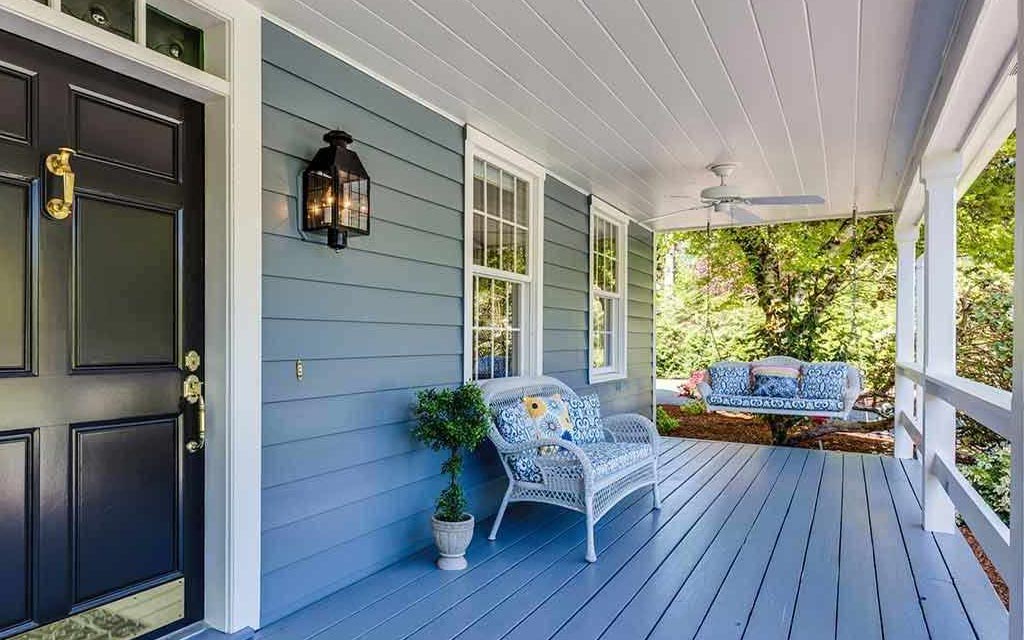
Image: Francesca Tosolini – Unsplash
More articles by Joseph Marovitch
Other recent articles





 April 10, 2026" />
 Southern Italian Retreat" />
 smooth move in later life" />
 at the Visual Arts Centre" />
 at the Centaur Theatre" />
 Buying a country home" />
 of an anxious society" />
 and artificial intelligence" />
 Red Pepper spread" />
 Clarke Avenue" />
 launches TDT season" />
 for Festival de la Voix" />
 Latent defects" />
 Grilled saffron artichoke" />
 tomorrow’s leaders" />
 to feminist mobilization" />
 Brooke Avenue" />
 Literary Festival" />
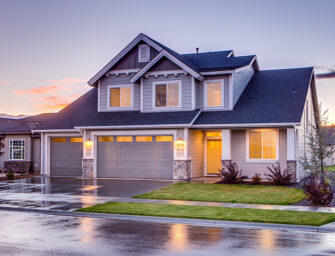 Inspection process" />
 A month of music in April" />
 A field report on aging" />
 be more independent" />

 Windsor Avenue" />
Great advise as always Joseph. If I may add a couple of other points for buyers to consider:
The orientation of the property with respect to the sun. Each orientation has it’s own benefits such as sun rise, sunsets, shady beachfront, etc. The depth of the water as well as the walk out from the shoreline. For a young family a sandy lake bottom which has a shallow walk out is ideal. Teenagers won’t mind deeper waters and diving in from the end of a dock. Does the municipality have an insect control program? WIFI connectivity is not equal across all regions although the Quebec government is promising improved access for more rural regions.
These are good and valid points. Thank you for your contribution.
Joseph