
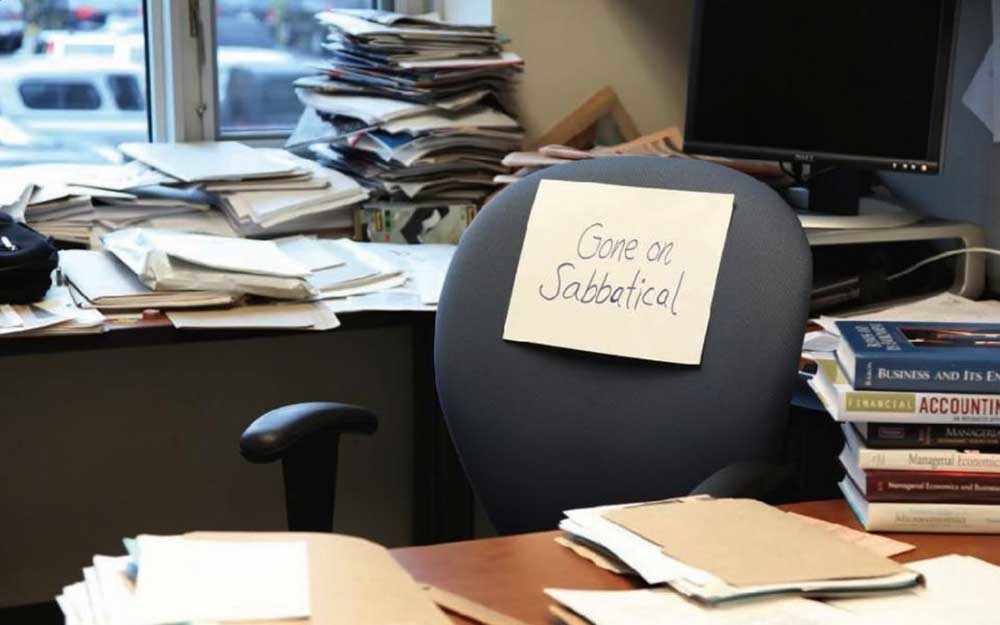
A productive career break
can boost your career
How to take time off from work and how to make the most of it
By Angela Civitella
Previously published in WestmountMag.ca
At some point in our lives, many of us will take time out from our jobs, either by choice or by chance. There are numerous reasons why we might find ourselves absent from the workplace for weeks or even months. Examples include illness, accidents, having a baby, taking a sabbatical, caring for relatives, unemployment, etc.
… a long-term absence also presents opportunities. You can use the time to develop your skills and knowledge, and to gain new experiences.
An extended time away from work can cause us anxiety. We may fear losing the skills, knowledge and relationships that we’ve carefully built up. Or, we may worry about how a gap on our résumé might appear to potential employers. But a long-term absence also presents opportunities. You can use the time to develop your skills and knowledge and to gain new experiences. And you can still keep your finger firmly “on the pulse” of the world of work, in anticipation of your eventual return.
In this article, we’ll look at how you can make productive use of a career break.
Use your time wisely
Here are four things you can do while you’re away from the workplace:
1. Keep up to date on your industry or organization
One of the biggest fears about being “out of the loop” is that you could be left behind. However, there are ways to stay informed about developments in your industry. Stay informed by reading industry-specific websites, social and broadcast media, blogs, and trade magazines. You can also attend trade shows, conferences and networking events.
If you’re returning to the same organization, you can stay informed by receiving company emails and reports from your line manager, as well as reading your company’s social media pages. Staying in contact with your manager or HR team can also help you feel connected and motivated while you’re away, and remain informed about any developments that may affect you.
‘… there are ways to keep abreast of what’s happening in your industry. Stay informed by reading industry-specific websites, social and broadcast media, blogs, and trade magazines.’
You may still be able to contribute in some small way, such as writing a blog post, suggesting ideas, or working on an occasional freelance basis – depending on the nature of your absence. Also, ask to be included in relevant training sessions and workshops. You may also be legally entitled to other options. In the U.K., for example, people are entitled to some paid “keeping in touch days” (KIT days) when they’re on maternity, paternity or adoption leave, to enable an easier transition back to work.
2. Improve your skillset
Time spent away from work is a great opportunity to update your skills or to learn new ones. By developing your strengths and addressing your weaknesses, you’ll put yourself in a better position to rejoin the workforce. These may involve taking a course, working toward a qualification, or using your skills voluntarily for a non-profit organization, for example. Prioritize the actions you want to take. Fit them into the available time with the help of effective scheduling.
3. Take a vacation
When you’re away from work, taking a vacation may seem like a frivolous or indulgent thing to do, especially if money is tight. But vacations are more than just luxuries – studies have shown that they are good for your health and can reduce stress. Vacations can help to establish a healthy work-life balance, and they are a great way to reconnect with friends and family. After a vacation, you’ll likely feel more rested, reinvigorated, and ready to rejoin the workplace.
‘After a vacation, you’ll likely feel more rested and reinvigorated, and ready to rejoin the workplace.’
4. Socialize
One of the joys of work is the sense of belonging to a group, so a lengthy period of time spent away can lead to feelings of isolation. You can combat this by socializing, such as meeting your coworkers or former colleagues for coffee, or by attending networking events with them. If socializing is difficult or out of the question for you, you can always “go virtual” and use social media to interact with your work community. But beware of an overuse of, or over-reliance on, social media, as that in itself can be an isolating experience.
Be kind to yourself
Depending on your circumstances, time outside of the workplace can feel either invigorating or distressing. Travelling on a sabbatical, for example, will literally open your horizons, but you may succumb to anger or depression if you are laid off. People can react to job loss in similar ways to how they might react to grief.
They may experience the “five stages of loss”: denial, anger, bargaining, depression, and acceptance. There are steps that you can take to combat the negative emotions that can follow job loss. Try to get plenty of exercise and sleep, eat a healthy diet, and enjoy some fresh air and natural light. Both exercise and sleep can refresh the brain, helping you to perform better, reduce stress, and feel healthier. So, take advantage of not being stuck in an office!
‘There are steps that you can take to combat the negative emotions that can follow job loss… exercise and sleep can refresh the brain, helping you to perform better, reduce stress, and feel healthier.’
Plan and structure your days
Think back to when you were at work. Chances are, your average day was pretty structured. You had a diary, meetings to attend, and deadlines to hit. Get away from the office for a while, though, and your days can become less disciplined. For example, you may be trying to shoehorn your agenda around responsibilities like looking after a baby or a sick parent, or your days are almost empty and you’re struggling to fill your time.
By planning and structuring your day, you can eliminate time-wasting and streamline your obligations to make the most of every minute of free time that you have. Additionally, when you’re away from the “cut and thrust” of work, it can be challenging to stay motivated, so it’s essential to monitor how energized and stimulated you feel. Create a personal working space, minimize distractions, and stay focused on your goals to maintain high enthusiasm.
Re-evaluate your life
Sometimes, for whatever reason, you may yearn for a more profound change in your life. Perhaps you long for a career change, to emigrate, or to take an extended sabbatical. An extended period outside the workplace is a great opportunity to rethink your future and turn your dreams into reality. By looking “into yourself”, setting ambitious goals, and reorganizing yourself to work toward them, you can set out on a more radical path to finding fulfillment.
‘An extended period of time outside the workplace is a great opportunity to rethink your future and to turn your dreams into reality.’
Prepare for your return to work
Returning to work will require some adjustment, no matter how productively you’ve used your time away, and the key to success is preparation. Finding out in advance what will be expected of you will lessen any anxiety that you might feel. So, ask for an early meeting with your line manager to discuss the latest projects and your likely role in them. You might even be able to arrange to ease yourself in gradually, by starting part-time and working up to your full hours.
Image: public domain

Other articles by Angela Civitella
Other recent articles




 January 6, 2026" />
 through digital innovation" />
 looks back at 2025" />
 online betting rules?" />
 a film by Andrés Livov" />
 for its 16th edition" />
 Passion fruit meringue verrine" />
 playful clownish escapade" />
 World rhythms on stage" />
 management mistakes" />
 Kensington Avenue" />
 Vegan Chili Chocolate Cake" />
 Bethune tunnel" />
 Left out of breath" />
 of business strategy" />
 damage before it starts" />


 into a professional career" />

 plumbing issues at home" />
 embraces bold cinema" />
 Red snapper papillote" />
 the Legend of Pepita" />