
Real Estate Talk:
Fear of Inspection
An inspection is not worth stressing about if handled properly
By Joseph Marovitch
Updated October 23, 2025
A few years ago, I was selling a beautiful lakefront property in the Laurentians. The property received many visits. One Sunday, during an open house, a buyer walked in and perused every inch of the property, leaving a negative comment for each inch. A seller would assume that, given all the buyer’s comments, there would be no further interest or offers.
I assumed the opposite. A buyer either comments negatively on a property because they want to purchase but want to set up the seller with lower expectations, or the buyer is an ass. A buyer with proper etiquette either offers positive comments or says nothing.
Lo and behold, this buyer provided an offer a day later. The offer was neither terrible nor great. After negotiation, the buyer and seller agreed on a price, and the offer was accepted with conditions. One of the conditions was inspection.
My client gave the buyer the option to accept the property as is at the offered price, or cancel. The buyer purchased, as is, at the original offer price. The buyer was trying to use an inspection to reduce the price and failed.
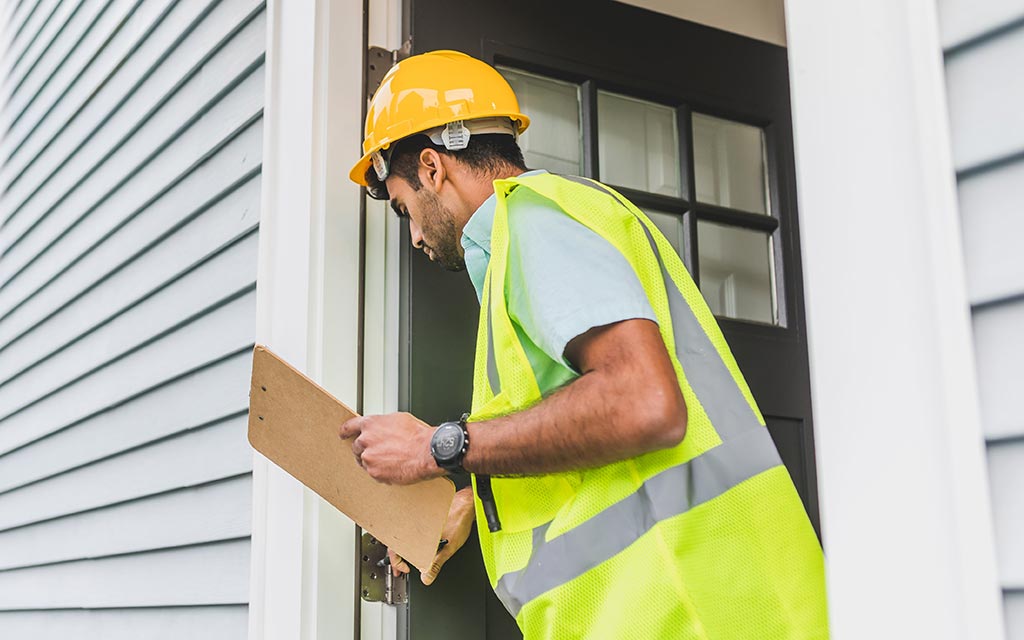
During the inspection, the buyer followed the inspector around the house with the same negative attitude he had during the first visit, a negative comment for each part of the house. When the inspection report finally arrived, it indicated that the roof required repair, the pressure in the kitchen sink was low, the garage door did not open quickly enough, the electrical system only had 200 amps (which is more than sufficient), and other sundry items. The buyer requested, in writing, based on the report, a $50,000 reduction in the purchase price.
There was no actual indication of any significant structural damage in the roof, walls, or foundation. There were no indications of code violations or bylaw infringements, and the report included few photos.
Nonetheless, my client was concerned and was considering the requested reduction. I suggested that my client have a second inspection with another inspector and offered three very experienced, professional, and well-known inspectors. My client accepted and chose one of the inspectors. The second report, supported by photos, indicated that there were no significant structural issues requiring repair.
My client gave the buyer the option to accept the property as is at the offered price or cancel. The buyer purchased, as is, at the original offer price. The buyer tried to use an inspection to reduce the price, but failed.
A seller accepts an offer to sell their home. The offer includes conditions, including an inspection. Many experienced individuals who have sold more than one home know the feeling that comes with the condition of inspection.
What if the house has a defect the seller was not aware of? What if the windows have cracks, the foundation is damaged, or the fireplace allows smoke into the house? What if there is nothing wrong, but the buyer is making up issues to get a price reduction? These are all reasonable concerns, but they are not worth stressing over if appropriately handled.
‘Legitimate issues that can devalue the house are headaches you do not have to deal with unless you want to.’
Legitimate issues that can devalue the house are headaches you do not have to deal with unless you want to. An experienced eye can easily detect illegitimate issues.
Should an issue be detected during an inspection, the buyer is required to provide the seller with a full copy of the inspection report and a written document stating the problem and the remedy they would like to pursue. The buyer can request a price reduction, ask the seller to repair the damage to the buyer’s satisfaction, or cancel the sale.
Should the buyer request a specific price reduction, the seller should obtain a couple of contractor quotes for the work. These quotes will validate if the work is required and what it will cost. If the issue is legitimate, the buyer and seller can usually come to a compromise. If the problem is not legitimate, the seller must decide whether to sell and whether they are prepared to compromise. The seller must also guess the buyer’s motivation to determine whether the buyer will try to cancel the sale.
This is not difficult for an experienced real estate broker or an experienced individual who has purchased and sold several properties.
The bottom line is that if the house has an issue that could devalue the property, it should be addressed by reducing the price or repairing the damage. It is that simple. We cannot sell a home with defects. It will come back to bite us in the ass.
Another way to mitigate the issues found in an inspection is:
- Have a pre-inspection to deter the whole issue of renegotiation.
- Whatever is found in the pre-inspection, indicate these issues in the seller’s declaration.
When a buyer presents a promise to purchase, the buyer must examine and submit the seller’s declaration with it. If the seller signs the declaration, it means they are aware of the issues, accept them, and have provided an offer price that takes them into account. Therefore, there should not be any renegotiation. If significant problems are found during the inspection beyond what is in the declaration, a renegotiation may be required.
‘The bottom line is, if the house has an issue that can devalue the property, it should be dealt with by reducing the price or repairing the damage.’
However, the buyer can request whatever they want. The seller has three options upon the buyer’s request for either a reduction or a repair. The seller can accept or compromise on a price reduction, agree to repair the issue, or refuse to do anything, in which case the buyer has he right to take as is or cancel the offer.
The information in these articles is a summary. Should you have questions, comments or wish to discuss further, please refer to the comments section at the bottom of the page or contact me directly. As well, to view past articles, click here.
State Of The Market
There is quite a bit of news in the market this week. However, it appears conflicting. According to Robert Hogue, the chief economist of RBC and writer for the RBC Economics report, the Canadian Real estate market may not see a quick recovery in the housing market due to, in his words, “the housing market will remain subdued as persistent affordability challenges, economic uncertainty, and regional disparity continue to weigh on market activity.”
Canada’s inflation rate rose recently to 2.4%, from 1.9% in August. This lends credibility to Mr. Hogue’s predictions, and the increase may curb another rate cut in the coming days, which will affect demand as carrying costs rise.
According to the recently published RBC Economics report, resales across Canada fell 1.7%. Home prices have continued to drop in B.C. and Ontario; however, property values continue to increase in Quebec and Atlantic Canada. Another observation in the report is that the economy and housing market remain uncertain and volatile as global issues unfold in Europe, the Middle East, and the US. This is the central theme in almost every report.
‘Canada’s inflation rate rose recently to 2.4%, from 1.9% in August. This gives credibility to Mr. Hogue’s predictions, and the increase may curb another rate cut in the coming days, which will affect demand as carrying costs begin to increase.’
As mentioned in several previous State of the Market reports I have written, the theme is the same. The market appears stable in Quebec at present, with low interest rates and rising property values. However, the market across Canada, including Quebec, would be more vibrant if property values were more affordable.
However, buyers and sellers must be cautious and use strategies and tools to protect themselves from fluctuating rates and inflation driven by unpredictable global and political factors. There are several strategies to sell that increase interest and generate offers. There are several tools for buyers to minimize risk from economic downturns and creditors.
For further discussion, leave a comment or call me directly.
Have a great week.
Let’s not forget that people with cancer are vulnerable too!
You are invited to keep giving to the following organizations since it’s now more important than ever to support cancer research! Click on the logos below to find out how:


Image: © Andrew Burlone

Other articles by Joseph Marovitch




 January 6, 2026" />
 through digital innovation" />
 looks back at 2025" />
 online betting rules?" />
 a film by Andrés Livov" />
 for its 16th edition" />
 Passion fruit meringue verrine" />
 playful clownish escapade" />
 World rhythms on stage" />
 management mistakes" />
 Kensington Avenue" />
 Vegan Chili Chocolate Cake" />
 Bethune tunnel" />
 Left out of breath" />
 of business strategy" />
 damage before it starts" />


 into a professional career" />

 plumbing issues at home" />
 embraces bold cinema" />
 Red snapper papillote" />
 the Legend of Pepita" />
Excellent piece on inspections! Unfortunately, because of the “hot” market, a lot of buyers are waiving the pre-purchase inspection! This is like “shooting yourself in the foot” and can prove very very costly!
Some people buy a used car and insist that it be inspected before they buy it. Yet, they’ll buy a property costing 20x times more without an inspection!
The Québec Government is currently legislating the residential property inspection practice and mention has been made of requiring a mandatory property inspection before a sale. A good idea.