
Protecting your privacy
on dating applications
Approximately 80% of dating platforms sell or share user information with third parties
November 11, 2025 • Sponsored
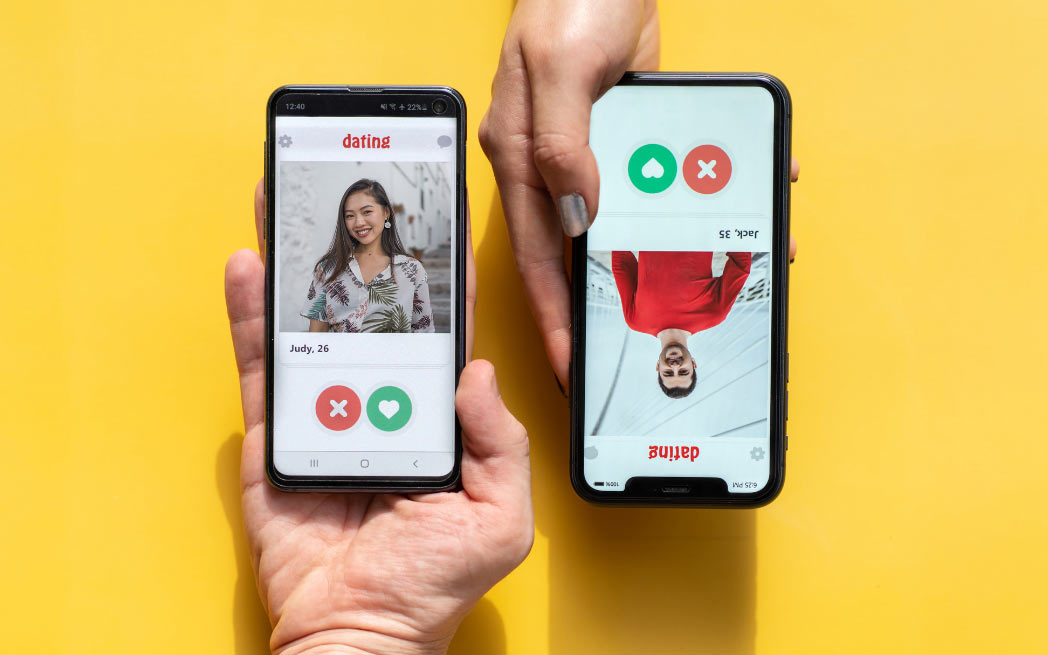
Dating apps collect extensive personal data. Your photos, messages, location history, and behavioural patterns create detailed profiles that companies monetize through advertising partnerships and data sales. Approximately 80% of dating platforms sell or share user information with third parties. This practice extends beyond basic demographics to include geolocation data, conversation content, and behavioural analytics.
The Current State of Dating App Security
Major platforms receive failing grades for cybersecurity practices. Recent assessments show 75% of leading dating apps earn D or F ratings for privacy and security measures. These poor scores persist despite platforms implementing AI-based verification systems and two-factor authentication protocols. The disconnect between marketed security features and actual protection levels creates false confidence among users.
Data breaches affect millions of users annually. Since 2015, compromised platforms include Ashley Madison, AdultFriendFinder, Zoosk, and Coffee Meets Bagel. In 2024, API vulnerabilities in Tinder, Bumble, Grindr, and Hinge allowed attackers to track user locations and access profile content. These incidents exposed messages, financial records, and personal identification details.
Privacy Risks Across Different Dating Platforms
Dating apps serve varied relationship preferences, from casual encounters on Tinder to long-term commitments on Match.com, and specialized platforms like sugar daddy app services or professional networking-focused dating sites. Each platform type collects distinct data sets based on user behavior and matching algorithms, creating unique privacy vulnerabilities that users rarely consider.
The data exposure risk changes with the platform purpose. Apps focused on specific demographics or relationship types often request additional verification or lifestyle information that mainstream platforms avoid. Location-based matching on Grindr has faced criticism for precise geolocation tracking, while platforms requiring income verification or professional backgrounds create databases linking dating profiles to employment history. Users should assess what personal details each platform demands before creating profiles.
Authentication Methods and Their Limitations
Face and video verification can reduce obvious fakes by matching selfies to IDs, but determined scammers bypass controls with deepfakes and stolen documents. 2FA helps, but SMS codes are vulnerable to SIM-swap attacks. If a platform offers app-based authentication (authenticator apps or passkeys), use it. Where possible, disable SMS-only 2FA.
How Your Data Gets Monetized
Dating revenue doesn’t end with subscriptions. Profiles and in-app behaviour feed ad networks that follow you across sites and apps. Aggregators buy “anonymized” data to map trends, while marketers purchase segments for targeting. Location trails are especially valuable: frequent neighbourhoods, work addresses, gyms, and nightlife spots can signal income, interests, and habits. Some platforms pass this history to brokers who assemble dossiers. Assume your data will travel farther than the app you installed.
Practical Security Measures
Create separate email accounts for dating apps. Security professionals recommend dedicated contact information that isolates dating profiles from primary accounts. Virtual phone numbers and disposable email addresses prevent attackers from connecting dating profiles to other online accounts during data breaches.
Generate unique passwords for each dating platform. Password reuse allows attackers who compromise one service to access multiple accounts. Password managers help maintain distinct credentials across platforms while enabling strong, randomized passwords that resist brute-force attacks.
Managing Your Profile Information
Share less in your bio. Stick to first names, avoid naming your employer, and skip details about family or routines. Choose photos that don’t reveal your home, license plates, office, or school. Ideally, use images you haven’t posted elsewhere to reduce reverse-image risks.
Tame location exposure. Many apps let you blur or coarsen location to city-level, or even set a “traveller” location. Re-check these settings after updates; defaults sometimes reset.
Legal Protections and Platform Compliance
Laws like GDPR and CCPA require consent, data minimization, access/export tools, deletion rights, and fast breach notifications. Big apps generally surface dashboards for downloading data and for requesting deletion. Still, audits show that “deleted” accounts can linger in backups or partner systems. Keep a record: submit deletion through in-app tools, follow up via support email, and confirm when removal is complete. Some services make permanent deletion a multi-step process.
Recognizing and Avoiding Scams
Romance scammers lean on urgency and emotion: sudden money requests, crypto “investments,” or threats using intimate images. Don’t move conversations off-platform quickly, don’t share PII, and verify with an in-app video call or a quick public meet in a well-lit place. Report suspicious behaviour immediately. AI moderation now flags bot-like activity and inconsistent details, but it’s not perfect; your skepticism is still your best filter.
Platform Selection Criteria
Read privacy policies. Prefer apps that limit third-party sharing, publish transparency reports, and ship regular security updates. Granular controls for visibility, location, read receipts, and data exports are good signs. Identity verification can reduce catfishing and spam, but weigh the benefits against the risks of sharing government IDs or biometrics. Favour apps that verify through live video or in-app checks without storing more than necessary.
Bottom Line
Dating app privacy requires continuous attention. Regular security audits reveal new vulnerabilities as platforms update features and attackers develop exploitation techniques. Users must remain skeptical of matches requesting personal information, financial assistance, or private meetings without adequate verification. The combination of technical safeguards, careful information management, and awareness of common threats provides reasonable protection against most privacy risks.
Image: Pexels




 January 6, 2026" />
 through digital innovation" />
 looks back at 2025" />
 online betting rules?" />
 a film by Andrés Livov" />
 for its 16th edition" />
 Passion fruit meringue verrine" />
 playful clownish escapade" />
 World rhythms on stage" />
 management mistakes" />
 Kensington Avenue" />
 Vegan Chili Chocolate Cake" />
 Bethune tunnel" />
 Left out of breath" />
 of business strategy" />
 damage before it starts" />


 into a professional career" />

 plumbing issues at home" />
 embraces bold cinema" />
 Red snapper papillote" />
 the Legend of Pepita" />