

The Blueberry Blues,
a film by Andrés Livov
This third documentary by the acclaimed cineast invites us to slow down, listen, and maybe heal
December 27, 2025 • WestmountMag.ca
Every summer in the Saguenay–Lac-Saint-Jean region, the fields are covered with countless tiny blueberries that draw in, like a silent migration, blueberry pickers from all walks of life: young people, elders, temporary migrant workers, Innu from Mashteuiatsh, long-time residents, and newcomers. In The Blueberry Blues, the third feature-length documentary by Andrés Livov, blueberry picking serves as the starting point for a choral film about seasonal work, grief, and solidarity.
With the hypnotic rhythm of repeated gestures – bending the body, raking the plants, filling the buckets – intimate life stories slowly unfold. Around the fields, at the snack bar, in trailers, or flying over the lake, the film’s protagonists share their joys and sorrows, their family memories, and their hopes for the future.
Picking blueberries becomes the starting point for a choral film about seasonal work, grief and solidarity.
With great gentleness, the camera captures both the vivid beauty of the blueberry fields and the scars left by forest fires on the land, reminding us that destruction and regeneration are part of the same cycle. Music – popular songs, classical pieces mentioned in conversation, improvised melodies – weaves an invisible thread between the protagonists, giving the film its warm, consoling tone.
A ballet of gestures and confidences
The Blueberry Blues s’ouvre sur la cadence presque hypnotique de la cueillette : un outil rudimentaire, un seau qui se remplit lentement, geste après geste. Cueillir à la main impose la patience, le lâcher‑prise et la confiance dans le fait que la somme de milliers de petits gestes finira par accomplir la grande tâche.
In this ballet of repeated gestures, tongues loosen. Between the rows, on break, or at the snack bar table, the people filmed share family memories, migration stories, tales of love, illness or starting over. The film weaves a web of confidences, laughter and tears, turning the blueberry field into a genuine meeting place, both social and intimate.
Andrés Livov’s camera follows these exchanges with discreet attention, leaving room for silences and hesitation. The soft, serene images crafted by cinematographer Louis Turcotte capture the vivid blue of the fields, the red of the burned undergrowth, and the low, slanting light of late summer. The sound design, shaped like a warm, lyrical envelope, follows this rhythm: footsteps, leaves brushing, voices and music all combine into a sensory landscape in its own right.
Grief, resilience and the cycles of life
Beyond the agricultural work itself, The Blueberry Blues explores the cycles of life: the yearly return of the fruit, the forest fires that devastate and then regenerate, and the losses each person carries inside. Archival footage and contemporary images echo each other, reminding us that this region has always been shaped by seasonal labour and a fragile, constantly adapting economy.
The film approaches grief with great delicacy. Among the most striking figures is Carmen, who runs a small roadside snack bar and welcomes workers and regulars with gentle eccentricity and a generous sense of sharing; behind her humour, however, lies the enduring pain of her daughter’s death, which she evokes with disarming honesty. An elderly man who sings in seniors’ residences talks about the simple joy he finds in every smile his songs bring out.
‘The Blueberry Blues explores the yearly return of the fruit, the forest fires that devastate and then regenerate, and the losses each person carries inside.’
Forest fires, so present in Quebec’s recent imagination, are not shown solely as forces of devastation. The film reminds us that they are part of an ecological cycle essential to the regeneration of blueberry fields, a metaphor for a broader renewal that runs through human lives as well. The Blueberry Blues gently conveys the idea that death is part of the movement of life, without cynicism or complacency.
An ode to music and storytelling
Music plays a central role in the film’s universe. It springs from a car radio, from a violin being tuned at the edge of a field, from a song picked up by several voices, or from a classical piece mentioned in conversation. Whether it is part of the scene or not, music creates a continuous thread that links the characters and accompanies the everyday ballet of life in Lac-Saint-Jean.
One of the most memorable scenes takes place in the cockpit of a small plane, where two pilots fly over the region as if wandering through a suspended dream. The engine’s roar fades away, giving space to an intimate conversation about music, the meaning of life and what truly moves us. This calming exchange, literally carried by the air, captures what the film manages to glean through its encounters: moments of reflection and emotion that suddenly cast everyday life in a new light.
‘At blueberry picking in the fields of Lac‑Saint‑Jean, lives that usually remain invisible finally make it to the screen.’
The Blueberry Blues is also an ode to the power of storytelling. By giving the floor to people who work, live and dream in the shadow of the blueberry fields, the film brings to the screen lives we seldom hear about. These interwoven stories give Lac‑Saint‑Jean the concrete face of those who make the region what it is every day, composing a constellation of histories deeply tied to the land.
Journey and release
Screened as the closing film of the 28th Montreal International Documentary Festival (RIDM), The Blueberry Blues made a strong impression on audiences with its gentleness, human warmth and singularly comforting way of addressing grief and resilience. The film received the Women Inmate Jury Award from the Maison Tanguay jury, a distinction granted by a panel of incarcerated women that underlines how deeply its characters and themes resonate.

Coproduced by Les Glaneuses and distributed by SPIRA, the film will be released in Quebec theatres in 2026, following a festival run that includes screenings of the English-language version at several international events. This double life, in French and in English, extends the very gesture of the film: building a bridge between worlds, languages and experiences that come together around the same fruit, the same gesture and the same desire to gather.
The Blueberry Blues presents itself as a warm, tender embrace: a film that celebrates ordinary life, solidarity and the small miracles of perseverance. A documentary that invites us to slow down, to listen and, perhaps, to heal.
The Blueberry Blues
Documentary – Quebec, 2025 – 79 min
Written and directed by: Andrés Livov
Cinematography: Louis Turcotte
Editing: René Roberge
Produced by: Les Glaneuses
Distribution: SPIRA
Images courtesy of SPIRA

Other articles about Cinema
Other recent articles



 January 6, 2026" />
 through digital innovation" />
 looks back at 2025" />
 online betting rules?" />
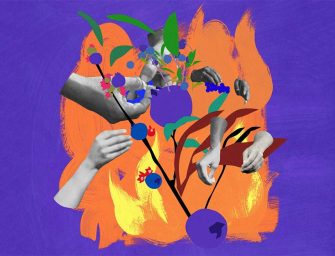 a film by Andrés Livov" />
 for its 16th edition" />
 Passion fruit meringue verrine" />
 playful clownish escapade" />
 World rhythms on stage" />
 management mistakes" />
 Kensington Avenue" />
 Vegan Chili Chocolate Cake" />
 Bethune tunnel" />
 Left out of breath" />
 of business strategy" />
 damage before it starts" />


 into a professional career" />

 plumbing issues at home" />
 embraces bold cinema" />
 Red snapper papillote" />
 the Legend of Pepita" />