
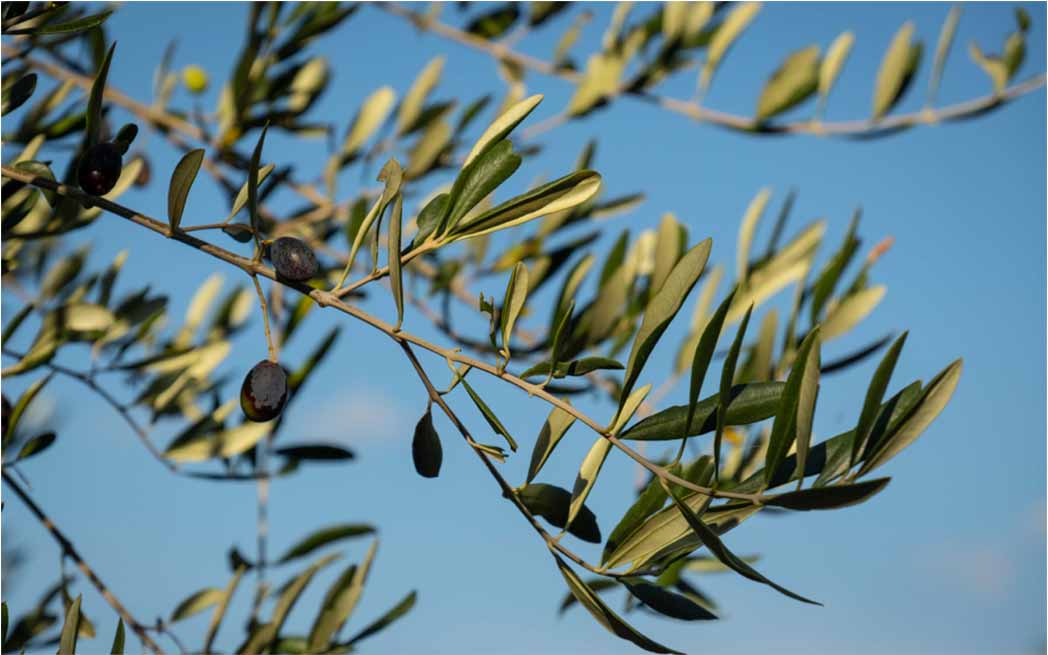
Mediterranean leaves
power today’s wellness
Olive leaf extract is finding a growing audience among people looking for antioxidant support grounded in science
June 22, 2026 • Sponsored article
An ancient Mediterranean plant extract is quietly becoming a daily staple for those seeking extra antioxidant support as part of a healthy lifestyle. Olive leaf extract brings together centuries of traditional use with modern quality standards under Health Canada’s Natural Health Products framework.
Olive trees have been cultivated throughout the Mediterranean for thousands of years, and most of the attention has historically focused on the fruit and oil they produce. The leaves have largely been treated as a byproduct. That’s started to change as researchers and supplement consumers have looked more closely at what’s actually in them.
Olive leaf extract brings together centuries of traditional use with modern quality standards under Health Canada’s Natural Health Products framework.
Olive leaf extract is made from the dried leaves of the olive tree. It concentrates the plant’s natural compounds, the most studied of which is something called oleuropein. The standardized extracts specify a particular percentage of oleuropein, indicating how concentrated the active compounds are. A product standardized to 20% oleuropein, for example, delivers 100 mg of oleuropein per 500 mg capsule.
Where oleuropein fits in
Oleuropein is a natural plant compound that contributes to the bitter taste of fresh olive leaves. It works as an antioxidant, meaning it helps neutralize free radicals, which are unstable molecules that damage cells during normal body processes. Oxidative stress, the cumulative effect of this cellular damage, is often associated with a number of age-related health concerns. What makes oleuropein particularly interesting from a research standpoint is how it behaves in the body. Once you take it, a portion of oleuropein is naturally broken down into hydroxytyrosol, another well-studied olive compound with its own antioxidant properties. The two work through related but distinct pathways, which partly explains why researchers studying olive-derived compounds often find both together.
Human studies over the past 15 years suggest that standardized olive leaf extracts may modestly lower blood pressure and improve some aspects of the cardiometabolic profile in people with elevated blood pressure. For example, an 8‑week study in borderline hypertensive monozygotic twins found that higher‑dose olive leaf extract (1,000 mg per day) reduced systolic blood pressure by about 11–13 mmHg compared with lower doses and lifestyle advice.
‘Oleuropein works as an antioxidant, meaning it helps neutralize free radicals, which are unstable molecules that damage cells during normal body processes.’
Systematic reviews and meta‑analyses pooling multiple clinical trials report average reductions of around 5–6 mmHg in systolic blood pressure, with somewhat smaller and less consistent effects on diastolic pressure. Other trials are investigating how olive‑derived polyphenols influence markers of oxidative stress, glycation, and tissue ageing
In Canada, olive leaf extract is regulated as a Natural Health Product under the Natural Health Products Regulations administered by Health Canada. This means it requires a Natural Product Number (NPN) before it can be sold. Obtaining an NPN involves you submitting evidence of safety, efficacy, and manufacturing quality to Health Canada for review before the product reaches shelves. Under the Canadian regulatory framework, olive leaf is licensed as a source of antioxidants and for use in herbal medicine as a diuretic.
These are the claims that have passed regulatory review. Any product with an NPN for olive leaf has met that pre-market standard, which is a meaningful distinction compared to markets where dietary supplements require no pre-market review at all. Buyers in Canada can verify any olive leaf product’s NPN directly by searching the 8-digit NPN number through Health Canada’s licensed Natural Health Products database, which shows the approved ingredient, dose, conditions of use, and risk information for the licensed product.
What to look for in a supplement
Not all olive leaf products are equivalent. Raw olive leaf powder contains oleuropein, but concentrations vary with harvest timing, storage, and processing. A standardized extract specifies the oleuropein percentage and maintains that level across batches, making dosing more predictable. The one-capsule-per-day format, which is common among standardized extracts, is straightforward for daily use. Products providing 500 mg of extract standardized to 20% oleuropein deliver a consistent dose equivalent to roughly 2.5 to 3 grams of dried olive leaf per capsule.
‘In Canada, olive leaf extract is regulated as a Natural Health Product under the Natural Health Products Regulations administered by Health Canada.’
For anyone adding antioxidant support to their daily routine, it’s advisable to confirm that the product carries a valid Canadian NPN. It confirms that both the ingredient and the manufacturing process have been reviewed by a federal regulator, which no amount of marketing language on a label substitutes for.
A note on usage
Olive leaf extract is intended for occasional use as a diuretic and daily antioxidant support. Adults should take it with food. Anyone who is pregnant, breastfeeding, has a kidney disorder, or is taking other diuretics should consult a healthcare practitioner before use. As with any natural health product, starting with the recommended dose and paying attention to how your body responds is the sensible approach.
DISCLAIMER: This sponsored content is intended for general information and does not replace the advice of a healthcare professional. If you have a medical condition or take medication, check with your doctor or pharmacist before trying olive leaf extract or any new supplement. Publishers are not responsible for actions taken based on this information.
Feature image: Francesco Ungaro – Pexels

 June 19, 2026" />
 power today’s wellness" />
 at Festival de Lanaudière" />
 but its spirit remains" />
 A window of opportunity" />

 marriage prevents disputes" />
 2026 summer season" />
 downtime strategically?" />
 A living natural heritage /2" />
 at the Fringe Festival" />
 Opportunities to sell" />
 from a credit union" />
 at the Fringe Festival" />
 helps you feel more" />
 A living natural heritage /1" />
 Suzy’s vegan cookies" />
 to save Tamaracouta" />
 Rewards of investing" />
 playing in Pointe-Claire" />
 A jewel worth preserving" />
 Chocolate Raspberry Tart" />
 without burning out" />