A little planning helps you stay calmer, safer, and more comfortable wherever the season takes you
April 23, 2026 • Sponsored
A smooth drive can turn stressful in a hurry when the weather changes, traffic stalls, or a minor maintenance issue catches you off guard. The challenge is that road prep is not only a winter concern. Summer heat, spring rain, and fall debris can all create problems if your vehicle and your habits are not ready. A little planning helps you stay calmer, safer, and more comfortable wherever the season takes you.
Start with the basics before the season changes
The smartest time to prepare your car is before conditions become difficult. Seasonal changes affect tire pressure, battery performance, visibility, and traction, so it helps to build a quick check into your routine every few months.
Seasonal changes affect tire pressure, battery performance, visibility, and traction, so it helps to build a quick check into your routine every few months.
Start with the essentials: tire condition, fluid levels, lights, wiper blades, and brakes. Make sure your windshield washer fluid is topped up and suited to the climate you are driving in. Check that your spare tire and jack are in place, and confirm your phone charger still works from the car. These are small tasks, but they can prevent bigger disruptions later.
It is also worth reviewing the non-mechanical side of preparedness. Keep your registration and other key documents easily accessible. Also, ensure you have adequate insurance coverage with a provider like Aviva Insurance. Call your provider to verify the exact nature of your coverage.
Build an emergency kit you will actually use
A road kit should be practical, not overstuffed. Many drivers throw random items into the trunk and forget about them until they need help. A better approach is to keep a small set of useful supplies that match real driving conditions.
A simple, year-round kit can include:
- a flashlight with extra batteries
- a phone charging cable or power bank
- bottled water and a few shelf-stable snacks
- a first-aid kit, reflective triangle, and basic work gloves
- in colder months, add a warm blanket, ice scraper, and traction aid
- in hotter months, add extra water and avoid leaving heat-sensitive items in the car.
Adjust your habits for the season, not just the forecast
Drivers often check the weather and stop there, but the season itself shapes road conditions in ways that matter even on a clear day.
Winter
Cold weather affects traction, braking distance, visibility, and battery strength. Clear all snow and ice from the vehicle, not just the windshield. Leave more space between cars and slow down earlier than you think you need to. Even with all-wheel drive, stopping still depends heavily on your tires and road grip.
Spring
Spring driving can look easier than it is. Rain reduces visibility, potholes appear after freeze-thaw cycles, and standing water can increase the risk of hydroplaning. This is a good season to inspect tire tread and wiper performance, since both matter when roads are slick.
Summer
Hot weather puts extra stress on tires, batteries, and engines, especially on long drives. Check tire pressure before road trips, watch engine temperature on congested routes, and keep extra water in the car for comfort. Summer is also when many people drive farther than usual, so it pays to check your route and fuel options in advance.
Fall
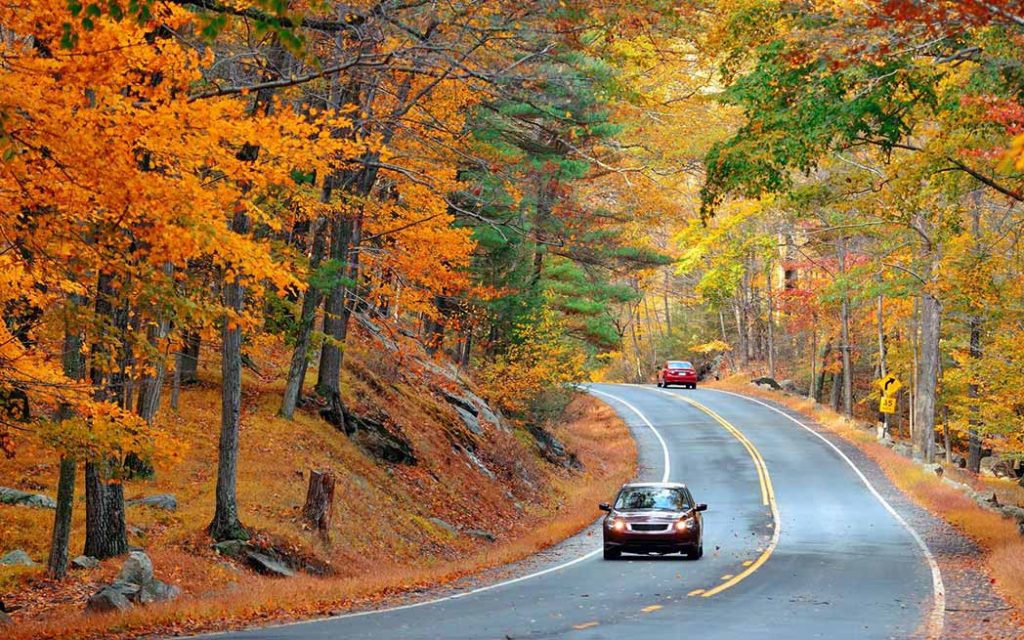
Fall can bring early darkness, wet leaves, fog, and shifting temperatures from morning to night. Visibility becomes a bigger issue, so clean your lights, replace worn blades, and stay alert on shaded roads and bridges where conditions can change quickly.
Plan for delays, not just breakdowns
Prepared drivers do not only think about major emergencies. They also plan for the more common problems that can ruin a trip, such as long traffic backups, missed turns, low fuel, or dead phone batteries.
‘Keep your registration and other key documents easily accessible, and ensure you have adequate insurance coverage.’
Before you leave, share your route with someone if you are heading out on a longer drive. Keep your gas tank from getting too low, especially in colder weather or rural areas. Give yourself more travel time than the map suggests so you are not tempted to rush when conditions worsen. Guidance on safe winter driving habits reinforces the value of slowing down, avoiding overconfidence, and staying ready for changing conditions.
Make preparedness a routine, not a one-time fix
The most effective road prep is not dramatic. It is consistent. A five-minute seasonal check, a well-stocked emergency kit, and a few smart driving adjustments can reduce stress and help you handle the unexpected with more confidence.
You do not need to overhaul your whole routine at once. Pick one small action today, whether that is checking your tire pressure, replacing old wiper blades, or refreshing your trunk kit. Then repeat the process as the seasons change. Staying prepared on the road is about staying aware, and that habit pays off year-round.
Disclaimer: This content is for informational purposes only and is not professional advice. Publishers are not responsible for actions taken based on this information. Always consult a qualified professional.
Feature image: TravelScape – Freepik